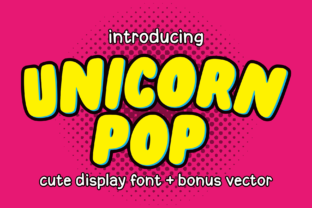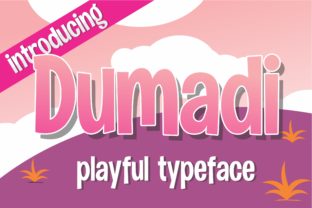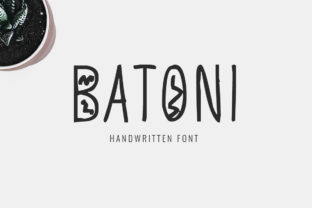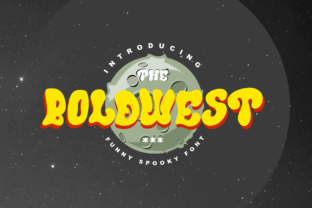
Marshmallow Fluff: The Playful Display Font for Makers
I was in the middle of designing a new candle label for a honey-vanilla scent when I realized the text wasn’t working. The fragrance name, “Sweet Clover Sun,” sounded warm and nostalgic, but the sans serif I first chose made it feel clinical, like a pharmacy jar. I needed something that felt like it had been made—soft, a little imperfect, and genuinely joyful. That’s when I opened Marshmallow Fluff, and the whole label shifted. Suddenly the words weren’t just sitting on the jar; they were inviting someone to lift the lid and take a deep breath.
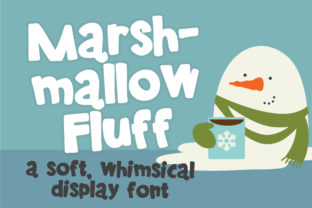
Marshmallow Fluff is a hand-crafted display font with a personality that feels both sugary and grounded. The letters have a rounded, slightly irregular bounce that mimics hand-lettering, but without the fussiness of a true script. It’s not a font that takes itself too seriously. The curves are generous, the strokes are playful, and the overall mood is whimsical without being fragile. For a maker like me, who spends a lot of time printing, cutting, and photographing products, a font that communicates warmth and approachability instantly becomes a design anchor.
From a Candle Label to a Whole Shop Vibe
After that first candle label, I started testing Marshmallow Fluff on everything within arm’s reach. I printed a sheet of product tags for lavender sachets, and the font gave them a boutique feel that made the simple kraft paper look intentional. I cut a few vinyl stickers with my Silhouette machine—phrases like “hello sunshine” and “you are magic”—and the weeding was surprisingly clean because the letter shapes are generous without being overly thin. The font’s display nature means it’s designed to be seen at a larger size, and that’s exactly where it shines: on greeting cards, tote bags, wall art, and anything that needs a focal point.
What I appreciate most as a printable creator is how Marshmallow Fluff adds a sense of handmade charm to digital files. I created a set of editable birthday invitation templates, and the header text in this font looked like calligraphy a friend might do, but with perfect consistency across every file. When I mocked up the invitations in a listing preview, the font drew the eye immediately, making the thumbnail stand out in a sea of script-heavy designs. There’s an emotional quality to it—it feels encouraging, like a handwritten note found on the kitchen table.
Why Marshmallow Fluff Works for Handmade Sellers
If you’re designing for a craft business, you know that product presentation is more than just a pretty picture. The typeface you choose on a label, a tag, or a sign signals quality before a customer ever reads the words. Marshmallow Fluff has a way of softening a brand’s voice without turning it into something childish. It’s playful, but it carries a hand-crafted authenticity that works beautifully for items like farmhouse signs, wedding welcome boards, baby shower decor, and seasonal craft designs. I’ve used it on autumn market tags that read “pumpkin picking crew” and on holiday gift tags that said “made with love & cinnamon.” Each time, the font felt like it belonged to the product, not just slapped on top.
For digital sellers, the visual recognition this typeface can create is significant. When a customer sees your planner page previews, your printable wall art, or your sticker sheet mockups, the font becomes part of your brand identity. Because Marshmallow Fluff is a display font, it’s naturally suited for titles, short phrases, and decorative wording. It’s not meant for long paragraphs of instructional text, and that’s a good thing. Use it to name a candle scent, to headline a greeting card, or to label a jar of bath salts, and it does the heavy lifting of making the product feel personal and thoughtfully designed.
Stickers and Card Designs That Feel Like a Hug
One of my favorite projects was a sheet of encouragement stickers I designed for a local craft fair. The phrases were short—“brave,” “keep going,” “you’re doing great”—and I set them in Marshmallow Fluff with a warm color palette. The result was a sticker sheet that looked like a little collection of pep talks. I printed them on matte paper, and the texture of the print combined with the font’s soft edges made each sticker feel tactile, almost like a letterpress. That’s the kind of effect you can’t get with a rigid geometric typeface.
When I design greeting cards, I often pair a playful display font with a clean sans serif for the interior message. Marshmallow Fluff is perfect for the front cover. A card that says “Happy Birthday to the Sweetest Human” feels like a gift in itself. Because the font has a generous x-height and open counters, it remains readable even when printed on textured cardstock. I’ve also used it on wedding invitations for couples who want something less formal and more joyful. The font’s whimsical style doesn’t scream “wedding,” but it whispers “celebration,” which is exactly what a lot of modern couples want.
The Sweet Spot for Display Text
As a maker, I’ve learned to respect what a font is designed to do. Marshmallow Fluff is a display font, which means it’s at its best when it’s big and bold. I’ve used it on 8x10 printable wall art that reads “Gather Here with Grateful Hearts,” and the letters filled the space with a cozy, farmhouse feel. On a tote bag, a single word like “flourish” in this font becomes a wearable statement. On a mug, a short phrase like “sip slow” looks like it was painted by hand. The font’s irregular baseline and slightly varied letter heights add to that hand-drawn illusion, making each product feel one-of-a-kind.
For longer text, like a full recipe on a tea towel or a paragraph in a digital planner, I’d recommend pairing it with a simple serif or a clean sans serif. Marshmallow Fluff is a decorative font, and using it as a heading while letting a more neutral typeface carry the body text creates a beautiful typographic balance. I’ve paired it with a light sans serif for market booth signs, and the combination felt fresh and approachable without being busy.
Making Your Printable Wall Art Pop
When I create printable wall art for my online shop, the font choice is often the deciding factor in whether a design feels like a generic quote or a meaningful piece of decor. Marshmallow Fluff has a way of making words feel like they were chosen with care. I designed a set of nursery prints with phrases like “You Are So Loved” and “Dream Big, Little One,” and the font’s soft, rounded shapes felt like a visual lullaby. The preview images for those listings performed exceptionally well because the typography itself communicated comfort and tenderness.
Because the font is a hand-crafted display typeface, it also works beautifully for digital template previews. When I mock up a wedding invitation template, a birthday banner, or a recipe card, I use Marshmallow Fluff to show how the final product could look with a whimsical touch. Buyers often tell me they love the font I used in the preview, and I’m happy to point them toward it. It’s a creative font that inspires other creatives.
Pairing Marshmallow Fluff with a Clean Sans Serif
Typography is a conversation, and a display font like Marshmallow Fluff needs a good partner. My go-to pairing is a simple, slightly condensed sans serif with a neutral tone. The contrast between the playful, hand-lettered look of Marshmallow Fluff and the quiet simplicity of a sans serif creates a hierarchy that guides the eye naturally. For wedding stationery, I might pair it with a delicate serif font for an elegant touch. For a more rustic project, a handwritten font that echoes the organic feel of Marshmallow Fluff can work, but I’m careful not to let two decorative fonts compete. Usually, one strong display font is all you need to carry the personality of a design.
When I design product labels for candles or bath products, I often use Marshmallow Fluff for the fragrance name and a clean sans serif for the ingredients and weight. That combination keeps the brand friendly and approachable while still communicating essential information clearly. It’s a practical approach that works across packaging design, from hang tags to sticker labels.
Readability Matters on Small Labels and Cutting Machines
Because Marshmallow Fluff is a display font with a hand-crafted feel, it’s important to test it at the size you plan to use. I’ve found that it holds up beautifully on a 2-inch circle label, but anything smaller than that, and the charming inconsistencies start to reduce legibility. For tiny stickers or very small text on hang tags, I usually switch to a simpler font for the fine print. When cutting vinyl with a Cricut or Silhouette, I recommend sizing the text at least ¾ inch in height. The font’s strokes are generally sturdy, but some of the thinner connections can be delicate, so a test cut is always wise. I’ve had great results with permanent vinyl on mugs and temporary vinyl on wood signs, as long as I didn’t scale the text too small.
For printed cards, the font prints crisply at 300 DPI, and the soft edges translate beautifully onto linen-textured paper. If you’re designing for a mockup preview, the font’s personality comes through even at a smaller screen size, which helps your listing images feel inviting and professional.
What to Check Before You Sell: Licensing and File Formats
Any time I use a new font for commercial products, I review the license carefully. With Marshmallow Fluff, it’s a commercial font, but you’ll want to confirm that the license covers physical products, digital downloads, and template sales. Some font licenses restrict the number of sales or require an extended license for items like printable wall art you plan to sell repeatedly. I always check whether the font allows embedding in editable PDFs, because that’s a common need for invitation templates and planner pages.
I also look at what’s included in the font file. Many hand-crafted display fonts come with alternates, ligatures, or swashes that can add even more personality to your designs. While Marshmallow Fluff’s basic character set is lovely on its own, having access to stylistic alternates can let you create a custom look for wedding signage or boutique tags. I always check the file formats—usually OTF and TTF are both provided, and I prefer OTF for its cross-platform reliability. If you’re designing for a global audience, it’s worth confirming that the font supports multilingual characters, especially if you sell in markets where accents or special characters are needed.
Marshmallow Fluff has become one of those fonts I keep in my design toolkit for projects that need a little extra heart. It’s not just a typeface; it’s a mood setter. From candle labels that smell like vanilla to birthday cards that make people grin, this font helps me create products that feel like they were made by a real person, for a real person. And that’s exactly what handmade is all about.