Mustoffa Font: A Handwritten Typeface for Business Branding
I was standing in my friend's bakery last Tuesday, watching her slide fresh cinnamon rolls into a display case. The pastries looked incredible. But the price tags? Plain black text on white stickers. No personality, no warmth, nothing that matched the care she pours into her recipes. She handed me a coffee and said, "I want my packaging to feel like me, but I don't know where to start." That's when I pulled up Mustoffa on my laptop.
Sometimes a single design asset changes everything. For small business owners who make beautiful things with their hands, the right typography bridges the gap between a homemade product and a polished brand. Mustoffa is a charming handwritten font that does exactly that, bringing warmth and personality to customer-facing materials without feeling fussy or over-designed.
What Makes Mustoffa Stand Out as a Handwritten Font
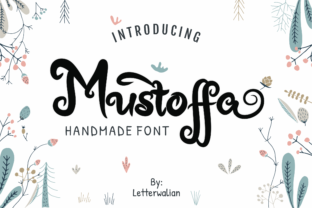
Mustoffa is a display font with a distinct handwritten personality. It carries the natural flow of real penmanship, with subtle variations in stroke weight, organic curves, and delightful details that make each letterform feel intentional. The charm isn't loud or flashy. It's in the gentle bounce of the baseline, the slightly imperfect loops, the way certain letter connections feel like actual handwriting rather than a mechanical imitation.
When I tested it on my friend's bakery materials, the first thing I noticed was how approachable it felt. Handwritten fonts can easily go wrong. Too childish, too messy, too hard to read. Mustoffa strikes a rare balance. It has enough refinement to look professional on a product label, yet enough character to feel personal and warm. For a small business trying to build trust and recognition, that emotional cue matters more than most people realize.
The font includes a generous set of alternates and ligatures, which means you can customize the look so it doesn't feel repetitive. Two of the same letter can appear side by side and look naturally different, just like real handwriting. For packaging titles, logo designs, and short display phrases, that flexibility is a genuine asset.
Using Mustoffa on Real Business Materials
We started with the bakery's cinnamon roll labels. The old sticker was functional but forgettable. I set the product name in Mustoffa, bumped up the letter spacing slightly, and printed a test sheet. The difference was immediate. The label looked like it belonged on a thoughtfully packaged product, not a generic takeaway container. The font's handwritten warmth made the whole package feel more artisanal.
From there, we moved to thank-you cards. Every online order gets a small handwritten note tucked into the box. My friend had been writing each one by hand, which was lovely but unsustainable as orders grew. Setting the message in Mustoffa and printing it on textured cardstock preserved the handwritten feel while saving hours of time. Customers still comment on how personal the notes feel.
This is where Mustoffa truly shines for small business owners. It works beautifully on short-form applications like product labels, packaging headers, logo wordmarks, boutique tags, menu item names, thank-you cards, and sticker designs. The font carries enough visual weight to serve as a focal point on a candle jar, a skincare bottle, a coffee bag, or a handmade soap wrapper. For a coaching brand or wellness business, it adds a soft, human touch to digital materials like Instagram quote graphics, workshop titles, and online course cover images.
Typography and First Impressions in Branding
Customers form opinions about a brand in seconds. Before they read a single word, they absorb the visual tone. Typography is one of the quietest and most powerful tools in that process. A clean sans serif font feels modern and efficient. A traditional serif font suggests heritage and reliability. A well-chosen handwritten font like Mustoffa communicates warmth, creativity, and personal care.
For handmade sellers, boutique owners, and small-scale product creators, that last quality is invaluable. People buy from small businesses partly because they want something made with attention and intention. The packaging and branding should reflect that. When a candle label or a bakery box features a genuine-looking handwritten typeface, it reinforces the idea that a real person created the product inside.
Mustoffa works particularly well as a display typeface for headlines, titles, and focal text. It's not designed for long paragraphs or dense body copy. On a menu, use it for dish names and let a simple sans serif handle the descriptions. On a website banner, let Mustoffa carry the main message while supporting text stays clean and readable. For product mockups, the font photographs beautifully, maintaining its character even at smaller sizes on digital screens.
Readability Tips for Small Labels and Mobile Screens
Handwritten fonts need thoughtful handling when space is tight. On a small candle label or a skincare bottle, keep the text short. Single words or brief phrases work best. Mustoffa's letterforms are clear and well-spaced, but reducing the font size too much can compromise its handwritten charm. I recommend testing prints at actual size before committing to a full packaging run.
For social media graphics and online shop banners, the font performs well on screens. Its organic shapes remain legible in thumbnail previews, especially when paired with generous white space. On mobile devices, a short headline set in Mustoffa over a clean background image creates a strong, memorable impression. For the bakery's Instagram templates, we used Mustoffa for the featured product name and kept the rest of the layout minimal. Engagement didn't magically triple, but the visual consistency started building real brand recognition over time.
Simple Font Pairing Ideas for a Cohesive Brand Look
One font is rarely enough for a complete brand identity. Mustoffa pairs naturally with a clean sans serif font for a balanced, contemporary look. The contrast between the organic handwritten style and the structured simplicity of a sans serif creates visual interest without feeling chaotic. For a café menu, try Mustoffa for section headers and a light sans serif for item descriptions. For a skincare brand, use Mustoffa for the product name and a refined serif font for the ingredient list.
If your brand leans more romantic or editorial, pairing Mustoffa with an elegant serif typeface adds depth and sophistication. The handwritten warmth softens the formality of the serif, resulting in a look that feels curated but not cold. For a boutique clothing tag or a wedding stationery business, that combination works beautifully.
Avoid pairing Mustoffa with another highly decorative script font. Two expressive typefaces compete for attention and create visual clutter. Let Mustoffa be the star of the display text and choose a supporting font that plays a quieter role.
Practical Considerations Before Using Mustoffa Commercially
Before integrating any font into commercial design work, check the specifics of what's included. Mustoffa comes with alternates, ligatures, and stylistic options that expand its versatility. OpenType-friendly software like Adobe Illustrator, Photoshop, or Affinity Designer will give you access to those features. Standard desktop programs may not, so test your workflow before committing to a design direction.
File formats typically include OTF and TTF, which cover most design needs. If multilingual support matters for your customer base, verify which character sets are included. Many premium fonts provide extended Latin characters, but it's always worth confirming before designing packaging that will ship internationally.
Commercial font licensing is another essential check. Using a font on product packaging, merchandise, digital templates, or client projects often requires a specific license type. Review the terms carefully. Most independent font creators offer clear licensing options, and the investment in proper licensing protects your business and supports the designer behind the typeface.
For my friend's bakery, the font was a small line item in a larger rebranding effort. The new labels, stickers, and thank-you cards cost modestly more than the old generic ones, but the cohesive visual identity made her products look more intentional and professional. She didn't need to explain the quality of her baking anymore. The packaging started telling that story before anyone took a bite.
Mustoffa won't single-handedly transform a business. But as part of a thoughtful brand identity, this charming handwritten font helps small businesses look more polished, consistent, and memorable. For product labels, packaging accents, logo designs, and display text across print and digital materials, it brings a genuine human touch that customers notice and remember.